
What to Do If Your Car Breaks Down on I-35 or MoPac During Austin Rush Hour

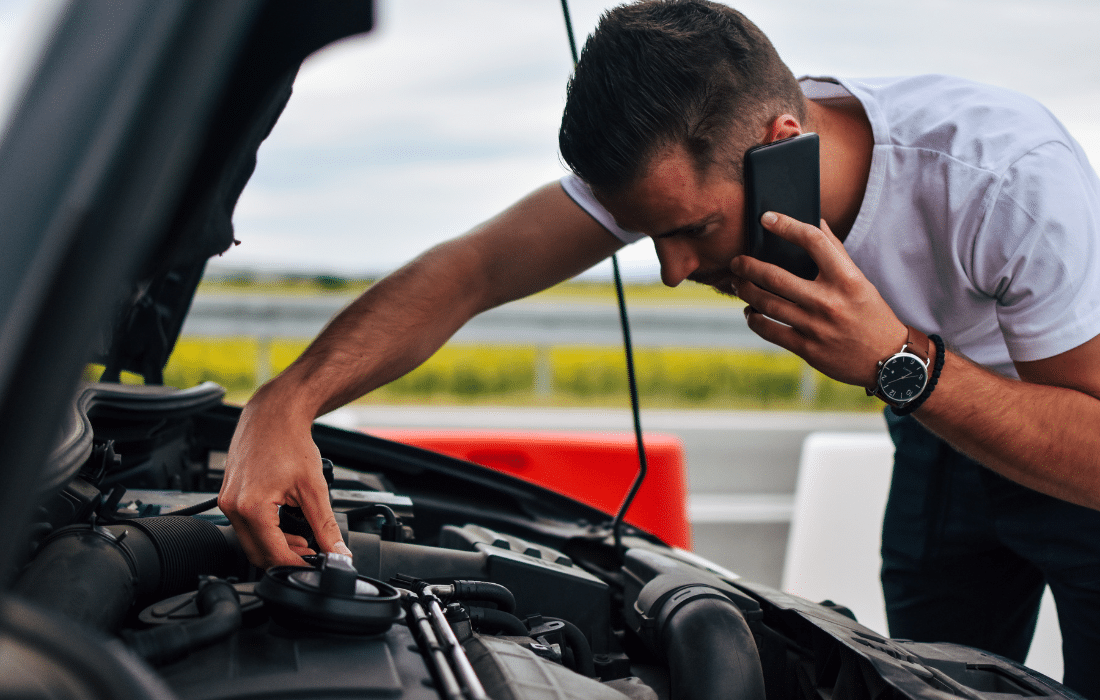
If your car breaks down on Interstate 35 or MoPac (Loop 1) during Austin rush hour, what you do in the first few moments matters most. Your top priorities are to stay calm, use any remaining momentum to move toward the shoulder, turn on your hazard lights right away, and contact the TxDOT HERO Program as soon as possible.
The HERO (Highway Emergency Response Operator) program provides free roadside help on major Austin highways. Their crews can assist with stalled vehicles, jump-start dead batteries, or provide emergency fuel—often faster than private services during peak traffic.
Breaking down is stressful anywhere, but it feels especially intense on Austin’s busiest roads. I-35 and MoPac are fast-moving and tightly packed, especially during commute hours. When traffic is heavy and drivers are focused on getting where they need to go, even a brief stall can become dangerous.
The good news is that knowing what to do—and acting quickly—can significantly reduce risk. The steps below focus on safety first, using clear and practical guidance you can follow even under pressure.
What to do if your car breaks down on I-35 or MoPac:
Turn on hazard lights immediately
Coast to the shoulder or exit if possible
Stay inside the vehicle unless unsafe
Call TxDOT HERO or roadside assistance
Exit the highway as soon as the car restarts
Stay Calm and Use Momentum to Your Advantage
Take a deep breath and be calm as soon as you notice your engine sputtering or your steering feeling heavy.
If the vehicle is still moving, use every bit of momentum you have. Aim for the shoulder, an exit ramp, or a breakdown lane. Even moving a few feet out of traffic helps other drivers see you sooner and lowers the chance of a rear-end collision.
On MoPac, where shoulders can be narrow or limited, partially clearing the lane is still safer than stopping in the middle of traffic. If the car will not move at all, do not force it. Your next actions become even more important.
Turn On Hazard Lights Immediately
Visibility is critical on crowded highways. Turn on your hazard lights the moment you sense trouble. Flashing hazards alert approaching drivers that something is wrong and gives them more time to slow down or change lanes.
If your vehicle has lost electrical power completely, be very careful when opening doors. Traffic passes close on both I-35 and MoPac, especially during rush hour.

Stay Inside the Vehicle Unless There’s Immediate Danger
One of the biggest risks during a highway breakdown is not the car itself—it’s oncoming traffic. Unless you see smoke, smell burning, or feel unsafe inside the vehicle, staying inside is usually the safest choice.
Remain buckled, keep the doors locked, and stay seated. Standing near a guardrail puts you only inches from fast-moving vehicles. Even a minor sideswipe can cause serious injury.
Staying Inside vs. Exiting the Vehicle: Safety Comparison
Option | Pros | Cons |
Staying inside the vehicle |
|
|
Exiting the vehicle |
|
|
What Safety Experts Say
Safety groups like the National Highway Traffic Safety Administration and AAA always say that secondary crashes between stopped cars and pedestrians are among of the most deadly things that may happen on the road. Most of the time, your car protects you much more than standing in the open on the road. (source)
In short: When roadways are busy, your car is typically the safest place to be. Stay in the car unless there is a clear danger, like a fire, heavy smoke, or something else that makes it unsafe to be outside.
Call for Help and Share Precise Details
As soon as you are stopped safely, call 24 Hr Car Unlocking. If your car is stopping a lane or putting someone in immediate danger, you should call 911 first. In every other case, getting to a professional roadside service quickly lowers the risk and keeps traffic going safely.
Before you call 24 Hour Car Unlocking, make sure you have all the information they need. Please tell our dispatcher which lane you are in, which way you are going, and which exit is the closest. With this information, our roadside techs can find you faster, which is very important on highways where traffic can back up quickly.
Make sure to mention any warning signs you heard or saw before the breakdown, like headlights that didn’t work, clicking sounds, or a quick loss of power. Giving us these information helps us get to you faster and with the right tools, in case you need a jump start, help getting into your car, or other roadside assistance.
Avoid DIY Repairs or Jump Starts on the Highway
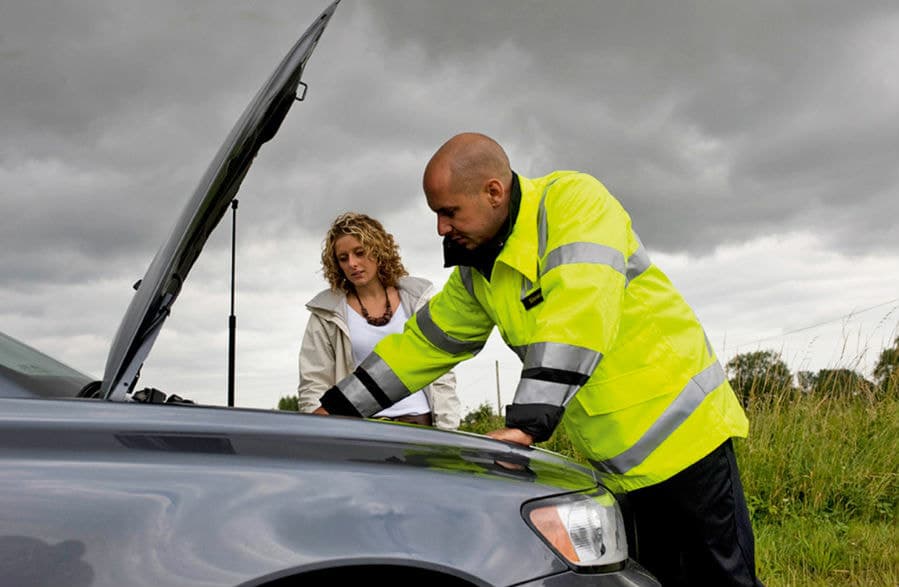
It could be tempting to let a passing vehicle help you, but trying to fix something or jump start a car on a busy highway is very dangerous. You are working just a few feet from traffic that is moving, often under stress, and with little room.
Electrical problems can also affect modern cars, and connections that are made too quickly might break things. Professional roadside technicians are trained to work safely in these environments using proper tools. Waiting for qualified help is the safer option.
Manage Heat and Stay Alert While You Wait
It doesn’t take long for the heat to build up in a stalled car in Austin. Open your windows a little bit to let air in and save battery life on your phone. Keep your warning lights on and don’t unlock doors unless you really have to.
If you have kids or pets in the car and things get dangerous, call for help right away.
Exit the Highway as Soon as You’re Moving Again
Don’t stay on the highway once help arrives and your car starts again. Problems like battery failure tend to come back, especially after being stuck in traffic or in very hot weather.
Take the next exit and go to a safe place to park or a repair shop. It’s always safer to think about the problem again off the highway.
What to Do Next If Your Car Breaks Down on I-35 or MoPac
Breaking down on I-35 or MoPac during rush hour is never convenient, but it does not have to be dangerous. Staying calm, remaining visible, and relying on professional help are the smartest steps you can take.
When Austin drivers need fast, dependable roadside assistance, 24 Hr Car Unlocking plays an important role in getting people safely out of harm’s way. Having a trusted service ready can turn a stressful breakdown into a manageable situation—and help you get back on the road with confidence.
FAQs
What should you do if you get stranded on the highway?
Turn on your hazard lights immediately, stay inside your vehicle unless there is immediate danger, and call professional roadside assistance while providing your exact location.
What action should you take if your vehicle breaks down on the road?
Use any remaining momentum to move toward the shoulder or an exit, activate your hazards, and contact emergency or roadside services as soon as possible.
What should you do if you accidentally turn onto a one-way street?
Stop safely if possible, turn on your hazard lights, and carefully reposition your vehicle only when it is safe or when directed by posted signs or authorities.
What happens if your car dies on the road?
Your vehicle may lose power suddenly and become harder for other drivers to see, increasing collision risk, which is why visibility, staying inside the car, and calling for help quickly are critical.