

How the Austin Heat Kills Your Car Battery: The Ultimate Guide for Central Texas Drivers

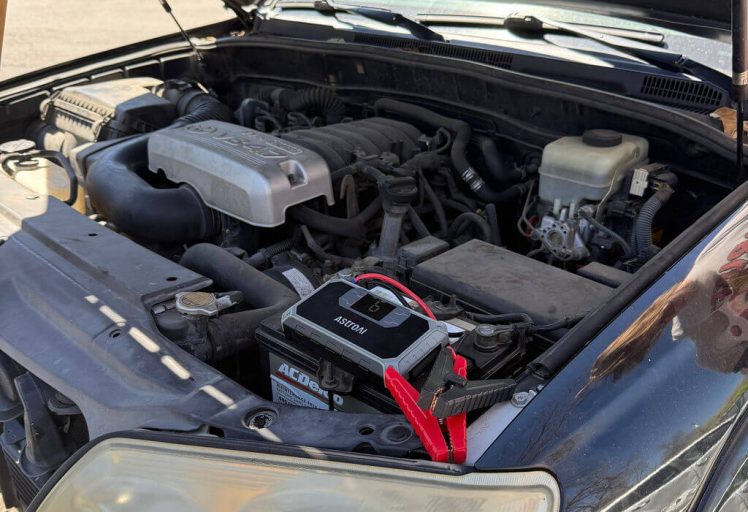
If you drive in Austin, your car battery is living on borrowed time. While most Americans blame freezing winters for battery failure, here in Central Texas, the real enemy is relentless summer heat. When temperatures climb past 100°F and traffic stalls on I-35, the air under your hood can exceed 140°F. At that point, your battery isn’t just warm — it’s chemically breaking down.
At 24 Hr Car Unlocking, we respond to heat-related battery lockouts and roadside emergencies every single summer. This guide explains why it happens, how to prevent it, and what to do if Austin’s heat leaves you stranded.
This guide is built specifically for Austin drivers. It combines automotive science, Central Texas driving conditions, and prevention strategies you can actually use. By the end, you’ll understand:
- Why do batteries die faster in heat than in cold
- The science behind batteries dying too soon
- How long batteries really last in Austin
- Signs of danger that most drivers miss
- Tried-and-true methods for making batteries last longer
- When it makes sense to replace something ahead of time
Let’s start with the myth that causes the most confusion.
The Big Misconception: “Cold Weather Kills Batteries”
It is a common myth that winter is the primary season for battery failure. In reality, heat causes the damage, while cold simply reveals the weakness.
In cooler climates, freezing temperatures reduce a battery’s ability to move electrons, making it harder to start a car. However, in Austin, the damage happens during the long, triple-digit summer months. Heat acts as a chemical catalyst. For every 15°F increase in temperature, the internal chemical reactions inside a lead-acid battery double in speed. This doesn’t make the battery “stronger”—it causes it to age at twice the normal rate.
The Anatomy of Power: What’s Actually Inside Your Battery?
To understand why the Central Texas climate is so destructive, you first need to understand that your battery is a sophisticated chemical storage device, not just a plastic box of electricity.
A standard automotive battery contains:
- Lead Plates: Plates that are positive and negative and help the chemical reaction happen.
- Electrolyte Solution: A very exact mix of sulfuric acid and water.
- Separators: Parts inside that keep the plates from touching and short-circuiting.
- Venting Mechanisms: Systems that let gases and pressure out safely.
When you press the start button, the lead and acid react with each other to create an electrical surge that activates the starter motor, fuel injection system, and ignition system.
The “Rolling Computer Network”
In modern vehicles, your battery is under more pressure than ever. It doesn’t just start the engine; it supports a complex electrical grid. From infotainment systems and constant security sensors to the frequent cycling of Start-Stop systems, your battery is the heart of a rolling computer network. This constant demand makes it even more vulnerable when the chemical process is attacked by external heat.
Four Ways the Austin Heat Destroys Your Battery
- Electrolyte Evaporation
The liquid electrolyte inside your battery is the lifeblood of its chemical reaction. When exposed to sustained 100°F+ days, the water within that solution begins to evaporate. As fluid levels drop, the concentration of sulfuric acid increases, leading to internal resistance. Once the liquid falls below the top of the lead plates, the damage becomes permanent and irreversible.
- Accelerated Internal Corrosion
Heat acts as a chemical accelerator. While it may temporarily boost a battery’s output, it does so by accelerating the internal degradation of its components. This leads to:
- Increased plate corrosion.
- Shedding of active material from the lead grids.
- The eventual failure of one or more of the six internal cells (the dreaded “dead cell”).
- Rapid Self-Discharge
All batteries lose power over time when sitting idle, but heat sends this process into overdrive. A vehicle parked in direct sunlight at an Austin airport lot or a downtown parking garage can overheat internally, causing the battery to lose capacity significantly faster than it would in a cooler climate.
- The “Compound Damage” of Heat and Vibration
Austin’s infrastructure adds a physical layer to the chemical problem. High temperatures soften the internal components of the battery, making them more susceptible to damage from road vibration. Constant travel over expansion joints on Highway 183 or the heavy congestion of I-35 causes the softened lead plates to vibrate and degrade prematurely
The “Traffic Trap”: Why Austin Commutes Are Toxic
Your daily commute often amplifies heat stress more than a long highway drive would. In the stop-and-go traffic of MoPac or I-35, your engine bay suffers from a total lack of airflow.
Under these conditions:
- Heat Soaking: Without the cooling breeze of highway speeds, engine heat soaks directly into the battery.
- High Electrical Load: Your AC compressor and cooling fans are running at maximum capacity.
- Minimal Charging: At idle, the alternator provides the least amount of power, forcing the battery to “help” run the car’s electronics while it is already struggling with the heat.
Long periods of idling in the Texas summer are far more damaging than any other driving scenario, effectively “cooking” the battery from the outside in.
How Long Do Car Batteries Really Last in Austin?
The average lifespan of a car battery in the US is four to five years, but drivers in Austin have a much shorter time frame. In our area, batteries usually only last two to three years. This isn’t just a guess; it is a technical reality caused by the extreme thermal stress of the Texas climate.
If you are tracking the age of your battery, use these milestones to gauge your risk:
- 30 Months: Your battery is entering the “danger zone.” You should begin testing its health at every oil change.
- 36 Months: There is a high statistical risk of sudden failure. Most heat-damaged batteries in Austin will collapse at this stage.
- 48 Months: Your vehicle is living on borrowed time. A total failure could happen during any trip, regardless of how well the car seems to be starting.
Proactive replacement at the three-year mark is the most cost-effective way to prevent a roadside emergency. You won’t have to deal with the stress and cost of an emergency jump start or tow if you switch the unit before it breaks.
The Jump Start Myth: Why It’s Only a Temporary Fix
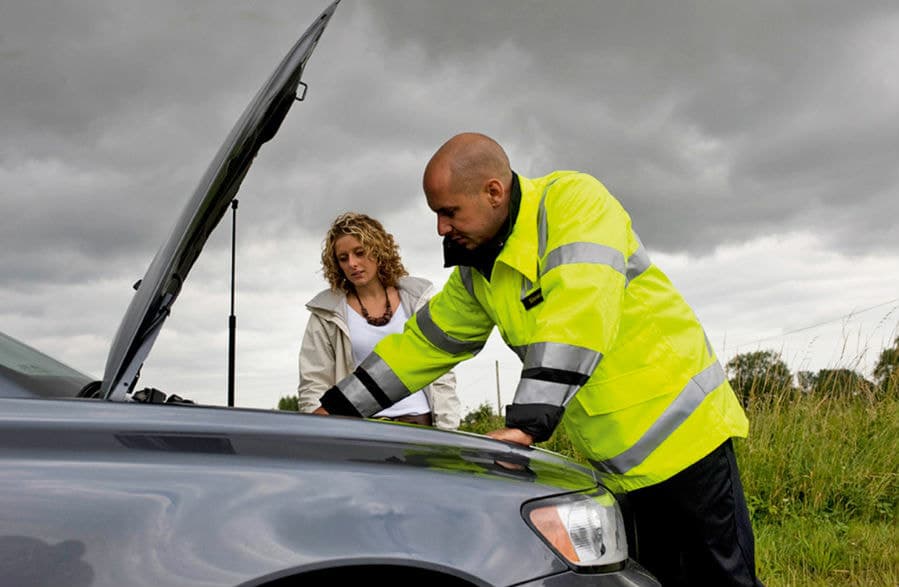
A jump start provides the external voltage necessary to crank your engine, but it does not restore the underlying chemical health of your battery. If the Austin heat has already compromised the internal structure, a jump is merely a “band-aid” for a much larger problem.
A jump start DOES NOT:
- Restore Evaporated Electrolyte: When the battery’s liquid levels drop because of thermal evaporation, the chemical capacity is lost for good.
- Fix Plates That Have Rusted: A surge of electricity can’t “heal” lead grids inside that have thinned or crumbled because of heat.
- Fix a Dead Cell: If one of the six internal cells has shorted or failed, the battery will never again be able to maintain the voltage required for a reliable start.
- Reverse Sulfation: When a battery sits in a discharged state, lead sulfate crystals harden on the plates. A jump start cannot dissolve this buildup.
If the Central Texas climate has damaged your battery internally, it will likely fail again within 24 to 48 hours. Relying on repeated jump starts doesn’t just waste your time; it puts undue stress on your vehicle’s most expensive electrical components.
The Hidden Costs of Repeated Jump Starts:
- Starter Motors: Low voltage forces the starter to pull more current, which generates excessive heat and leads to premature mechanical burnout.
- Alternators: Your alternator is designed to maintain a charge, not to recharge a completely flat battery from zero. Forcing it to “fast-charge” a failing battery can lead to alternator diode failure.
- Sensitive Electrical Systems: Modern vehicle computers are highly sensitive to voltage fluctuations. Inconsistent power from a failing battery can trigger “ghost” error codes and electrical glitches.
Temporary solutions often become expensive problems. If your vehicle requires more than one jump start in a week, it is a clear signal that the battery is no longer a reliable power source.
AGM vs. Flooded Batteries in Texas Heat
Absorbent Glass Mat (AGM) batteries offer advantages:
- Better vibration resistance
- Lower evaporation rates
- More stable plate structure
- Improved heat durability
They cost more upfront but often last longer in extreme climates.
In Austin, AGM is often worth considering — especially for:
- Luxury vehicles
- Start-stop systems
- High-electronics vehicles
- Heavy commuters
How to Extend Your Battery’s Life in Texas
- Park Strategically: Whenever you can, use parking garages or shaded areas. A 10-degree change in the temperature around you can make the evaporation of electrolytes slow down a lot.
- Thermal Wraps: Ensure your battery’s factory heat shield or thermal wrap is properly installed. These are designed to reflect radiant engine heat away from the battery case.
- Proactive Testing: Use a conductance tester (not just a voltage meter) to check the battery’s Cold Cranking Amps (CCA) twice a year—once before the summer peak and once before the winter freeze.
- Keep it Clean: Use a terminal cleaner to remove corrosion, which increases electrical resistance and makes the battery work harder.
Don’t Wait for the Breakdown
In Austin, battery failure isn’t a matter of “if,” but “when.” The extreme thermal environment makes proactive maintenance a necessity rather than a luxury.
If your battery is over three years old or showing any signs of a slow crank, don’t wait to be stranded in a low-clearance downtown parking garage or on the side of a busy highway. Professional diagnostic testing and on-site mobile battery replacement in Austin with proper BMS registration are the only ways to ensure your vehicle remains reliable in the Texas heat.